Dutch Cities Consider Facial Scans to Fight Identity Fraud
4/13/2024

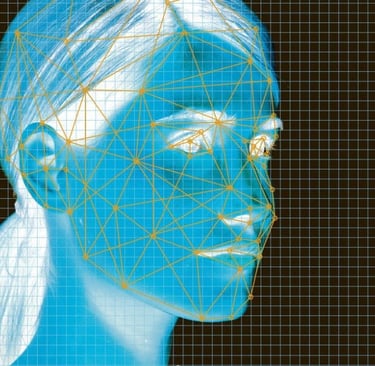
Dutch municipalities are contemplating the adoption of facial scanning technology as an integral part of the application process for new identity documents, such as passports and driver's licenses, as a proactive measure against the burgeoning issue of identity fraud. This initiative mirrors the existing use of facial scanners at Dutch airports and is being considered by urban centers like Amsterdam and Utrechtse Heuvelrug.
The impetus behind this proposed measure stems from a notable surge in reported cases of identity fraud. The envisioned procedure entails an initial authentication step using a document scanner to validate the old document, followed by employing a facial scanner to verify the identity of the applicant. However, the implementation of such a system is contingent upon thorough testing to assess its efficacy and viability.
Nevertheless, there exist valid concerns pertaining to the legal and privacy ramifications associated with the utilization of facial scans for identity verification purposes. The Dutch Association for Civil Affairs (NVVB) has highlighted the absence of a current legal framework supporting the deployment of facial scanners in this capacity, prompting inquiries into the compliance of such measures with existing privacy legislation. Facial scans are categorized as special personal data, necessitating meticulous handling by organizations and mandating a comprehensive risk analysis to ensure alignment with privacy laws and regulations.