Last Woman of Friesland WWII Resistance Dies at 100
2/15/2024
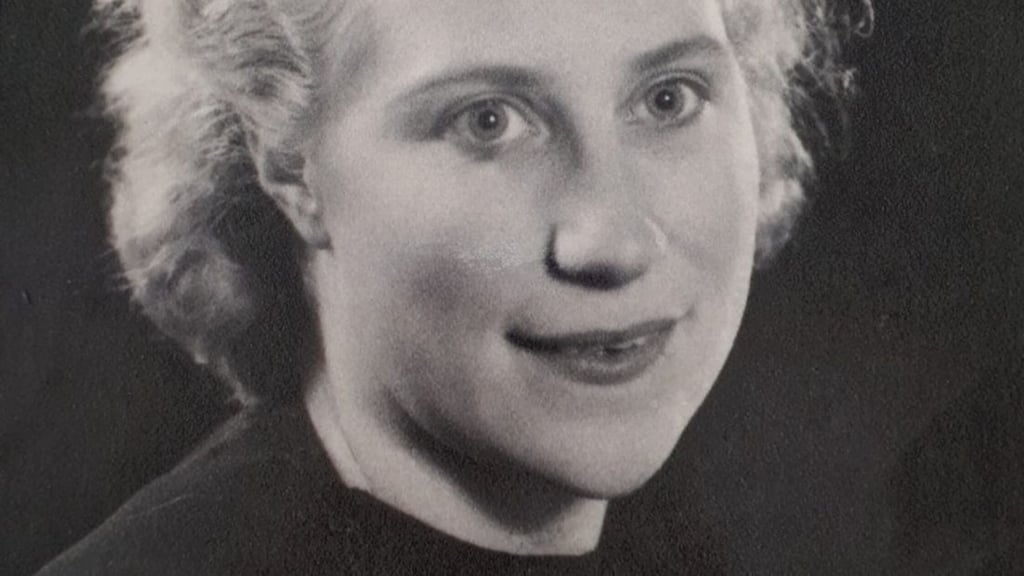
The final surviving woman who participated in the Friesland resistance during World War II has passed away at the age of 100. Volie Schermer De-Jong, as reported by Hessel De Walle, who is documenting the stories of women in the Friesland resistance for a book, died this week, according to Omrop Fryslan.
Described as remarkably resilient, Mrs. Schermer-De Jong showcased her strength from a young age, having completed the Frisian Merentocht skating event at just 16 years old, indicating her endurance, De Walle shared with the broadcaster. At 19, she joined the resistance, undertaking extensive bicycle rides spanning numerous kilometers each day to clandestinely deliver illicit correspondence.
Recalling her experiences, Volie recounted an occasion when she unknowingly transported a box of "shooting supplies" in her bicycle bag, which attracted the attention of a German guard due to the rattling noise it produced. However, she cleverly defused the situation with a sweet smile and was allowed to proceed with her journey, as she recounted to the Sneeker Nieuwsblad over a decade ago.
De Walle noted that the German forces underestimated the capabilities of women, which ironically played to the advantage of the Friesland women's resistance. Women were often dismissed by the Germans, assuming they were not involved in such activities. This misconception allowed women like Volie to play pivotal roles in the resistance with fewer risks, as De Walle explained. "If they were caught, they typically received no more than a reprimand, especially if they were young and attractive. The Germans were more interested in pursuing romantic relationships with them rather than arresting them," he remarked.
Following the war, Volie worked as a nurse in Amsterdam before eventually returning to Sneek, where she reconnected with her childhood sweetheart, Jaap Schermer, from Noorderhoek. They married in 1950.
Despite the passage of time, Volie continued to grapple with anxiety stemming from her wartime experiences, particularly during the month of May, as she disclosed to the Leeuwarder Courant two years ago. Reflecting on her involvement in the resistance, she expressed unwavering conviction, stating that she would make the same choices again if necessary, as she believed it was imperative at the time.